Did you know that overloaded circuits cause nearly 47% of home electrical fires? It’s vital for homeowners to know how to keep their families and homes safe. By understanding common electrical issues, we can avoid serious problems.
This guide will show you why safety is key and give you tips to protect your home. It’s about more than just knowing what to do; it’s about being proactive.
Key Takeaways
- Over 50% of electrical fires are due to faulty wiring or overloaded circuits.
- Regular inspections can prevent approximately 30% of home electrical issues.
- Unplugging unused appliances can save homeowners about $100 per year.
- Homes without functional smoke alarms are nearly 4 times more likely to face fire-related fatalities.
- DIY electrical work can pose serious risks and void insurance if done improperly.
- Understanding the role of electrical safety switches is vital for household protection.
Understand the Basics of Electrical Safety
Keeping your home safe from electrical dangers is key. It helps prevent accidents and protects your property. Knowing how to spot and avoid electrical risks is crucial for your safety.
The Importance of Electrical Safety
Many homes in Australia have old electrical systems. These systems can lead to dangerous shocks and fires. Regular checks are vital to find and fix problems before they get worse.
Homes without safety switches are at a higher risk. This is because they lack the power cut-off needed to prevent fires or shocks.
Common Electrical Hazards in the Home
There are many electrical dangers in homes. Some of the biggest risks include:
- Overloaded circuits, which can cause overheating and fires.
- Faulty wiring that can get worse over time and be dangerous.
- Old appliances that increase the risk of electrical hazards.
- Using extension leads as permanent solutions, which is risky.
- Kitchens and bathrooms are high-risk areas because of moisture.
By keeping your electrical system in check and following safety tips, you can lower the risk of electrical problems at home.
Inspect Your Electrical Systems Regularly
Regular checks of your electrical systems are key for safety and efficiency at home. Early detection of issues can prevent fires or electrocution. These inspections help fix problems before they get worse, keeping your home safe.
How to Conduct a Home Electrical Inspection
Any homeowner can do a simple electrical check. Start by walking around your home and looking at:
- Outlets: Look for wear like scorch marks or loose connections.
- Switches: Make sure they work well without flickering or noise.
- Cords: Check for fraying or damage, and don’t use extension cords too much.
- Flickering Lights: Watch for flickering, which means overloaded circuits.
Using tools like thermal imaging cameras can help find more problems.
Signs You Need Professional Help
While DIY checks are good, knowing when to get a pro is crucial. Watch for these signs:
- Frequent Circuit Breaker Tripping: It might mean too much load or hidden faults, affecting about 30% of homes.
- Unusual Smells: Burning smells from outlets or devices need quick action.
- Warm-Outlets: Warm or hot outlets can mean bad wiring and fire risks.
- High Electricity Bills: A sudden spike in bills might mean electrical problems.
Getting a licensed electrician ensures thorough checks and safety. Regular inspections follow the electrical maintenance guide, cutting down fire risks. These risks cause over $1 billion in property damage each year.
Use Appliances Safely
Using appliances safely means following the manufacturer’s guidelines. This is key to avoiding common electrical issues at home. By sticking to these guidelines, you can avoid dangers and lower the risk of electrical fires.
Follow Manufacturer Guidelines
Every appliance has its own set of safe use instructions. These guidelines cover important details like:
- Wattage limits
- Correct installation methods
- Recommendations for extension cord use
Using appliances as directed helps avoid electrical overloads and fires. Wrong use can cause serious harm, like electrical shocks or burns from overheating.
Avoid Overloading Circuits
Overloading electrical circuits is a major fire risk. It happens when too many devices use up more power than the circuit can handle. This can lead to:
- Frequent tripping of circuit breakers
- Burning odours near outlets
- Scorch marks on electrical fixtures
To keep your home safe, spread out appliance use across different outlets. Check your wiring and replace old fixtures regularly. Adding more outlets can also help avoid overloads.
Using appliances wisely can greatly lower the risk of electrical problems at home. Following guidelines and avoiding circuit overloads are key steps to prevent fires.
| Potential Risks | Preventative Measures |
|---|---|
| Overloaded circuits | Distribute appliance usage, use multiple outlets |
| Improper extension cord usage | Use suitable extension cords temporarily only |
| Ignoring manufacturer guidelines | Always follow instructions for safe appliance operation |
| Old or damaged wiring | Schedule regular inspections and updates as needed |
| High electrical load | Avoid plugging too many high-wattage devices into a single outlet |
Stay Aware of Power Socket Usage
Being careful with power sockets is key to avoiding electrical dangers. Knowing how to plug in devices safely can help fix common electrical problems at home. Here are some tips to keep your home safe.
Best Practices for Plugging in Devices
Using power sockets right is important. It keeps you safe and makes your appliances last longer:
- Don’t plug more than one appliance into a socket to avoid overloading. Overloading causes about 20% of electrical fires.
- Don’t connect extension cords or power strips together. It can cause surge problems, affecting about 60% of homeowners.
- Choose good-quality extension cords that match your appliance’s needs. Make sure they’re rated for the right wattage.
- Check cords often for damage. About 10% of electrical hazards are caused by damaged cords.
Avoiding Extension Cord Hazards
Extension cords can be tricky to use. But, being aware and taking steps can prevent accidents:
- Keep cords away from places where they can get pinched or damaged, especially with pets around.
- Place extension cords where they won’t cause anyone to trip. It’s a risk for everyone in the family.
- Watch how much electricity you use. About 75% of homeowners have tripped a circuit breaker because of too much use of extension cords.
- If you have ongoing problems, get a professional to check it. Ignoring faults can lead to bigger wiring issues, affecting nearly 15% of homes with dead outlets.
By following these steps, homeowners can greatly reduce electrical hazards. This makes their homes safer for everyone.
Know Your Circuit Breaker
Circuit breakers are key to keeping your home safe from electrical dangers. Knowing how they work and spotting issues early can stop many electrical problems. If a circuit breaker trips, it means something’s wrong, like too much current or faulty wiring.
Understanding your circuit breaker helps you fix electrical issues quickly.
What Does a Circuit Breaker Do?
A circuit breaker stops electricity flow when it’s too much or there’s a fault. This action prevents fires, which cause about 15% of house fires. Most homes have four to five circuit breakers for different circuits.
It’s crucial to watch for signs of a faulty breaker, like flickering lights or smells. These signs mean you need to check it further.
How to Reset a Tripped Breaker
Resetting a tripped breaker is simple and safe. First, turn off the breaker to stop the current. Then, wait a bit and turn it back on. If it trips again, there might be a bigger problem.
Getting help from licensed electricians is wise, especially if breakers keep tripping. This helps keep your home safe and avoids electrical accidents.

Ensure Proper Grounding
Grounding is key to keeping us safe from electrical dangers. It sends extra electricity safely into the earth. This is a major way to stop electrical problems at home.
Good grounding stops electric shocks and keeps our gadgets safe from power changes.
What Does Grounding Mean?
Grounding in electrical systems means a safe path for electricity to earth if there’s a fault. Without it, the danger of getting shocked goes up. Knowing about grounding is important for keeping your home safe.
Studies show homes without good grounding are three times more likely to have electrical shocks.
Signs of Poor Grounding
Spotting bad grounding is crucial for safety. Look out for these signs:
- Tingling when touching appliances, a problem in about 40% of homes.
- Circuit breakers tripping often, seen in 15% of Australian homes.
- Flickering lights, a sign of unstable voltage.
- Appliances acting strangely or not working right, often due to bad current flow.
Older homes, over 30 years, are more likely to have bad grounding. This leads to more electrical faults. It’s wise to get a pro to check your wiring every now and then.
This can cut down electrical faults by 60%. With the right precautions, 90% of electrical safety issues could be avoided.
Understand the Role of GFCIs
Ground Fault Circuit Interrupters (GFCIs) are key to keeping homes safe from electrical dangers. They watch over electrical flow and quickly turn off power if they find an imbalance. This is vital to stop electrical shocks and fires.
What is a Ground Fault Circuit Interrupter?
A GFCI is a safety device that stops electric shock by spotting current faults. They work best in places where water and electricity might mix. GFCIs can turn off power in just a fraction of a second, greatly reducing the risk of serious injury or death from electric shocks.
When to Install GFCIs
It’s wise to put GFCIs in spots where electrical accidents are more likely, such as:
- Bathrooms (within 1.2 metres of any basin, bath, shower, or spa bath)
- Kitchens (within 0.4 metres of any sink or benchtop)
- Outdoor areas
- Laundry rooms and garages, where moist conditions might occur
It’s good to test these outlets regularly, like every month. If they don’t trip or reset, it might mean there’s a problem. This could mean you need to get a qualified electrician. Following these safety tips can help lower the chance of getting shocked, especially since most shocks happen in wet places.
New electrical systems must follow AS/NZS 3000 standards. This means they need GFCI protection in certain areas for better safety. By doing this, homeowners help prevent fires and make their homes safer.
Use Outdoor Electrical Safety Measures
Keeping your outdoor electrical systems safe is crucial. It helps prevent risks from the weather. By following some key tips, you can lower the chance of electrical dangers like electrocution and fires.
Protecting Cords and Outlets from the Elements
Outdoor electrical systems need to be shielded from rain, heat, and wind. This is to meet safety standards and avoid risks like electric shocks and fires. It’s important to know that even low-voltage equipment, like garden lights, can be dangerous if not installed correctly.
Using GFCI (Ground Fault Circuit Interrupters) in outdoor areas is a must. These devices stop power if there’s a ground fault, greatly reducing electrocution risks. Regular checks of outdoor electrical gear can also help avoid dangers; about 60% of electrical shocks come from faulty or damaged outdoor setups.
Special Considerations for Pool Areas
Pool areas need extra safety measures to avoid deadly accidents. All electrical systems near pools must follow strict safety rules. Not using GFCI-equipped outlets can increase the risk of electrical injuries.
Keep a safe distance of at least three meters from overhead power lines when using equipment near pools. Electricity can arc, posing dangers. Following Australian safety standards and regular inspections are key to preventing accidents and electrical fires. These often start from poorly managed outdoor installations.
Educate Family Members on Electrical Safety
Knowing about electrical safety is key for every home, especially where kids live. Teaching all family members about the dangers of electricity is the first step. This helps create a safe home environment for everyone.
Teaching Children About Electrical Hazards
Children are naturally curious, which can lead to electrical dangers. Parents should talk to them about the risks of playing with outlets and cords. Here are some important points to cover:
- Explain what electrical outlets and wires are, and why they should never touch them.
- Discuss the dangers of water around appliances, stressing that water and electricity don’t mix.
- Encourage children to tell an adult if they see a damaged power cord or appliance.
- Role-play how to respond in an electrical emergency, teaching the right actions.
Creating a Family Safety Plan
A detailed family safety plan is crucial for handling electrical emergencies. It should include:
- Identifying escape routes in case of fire, making sure everyone knows them.
- Listing emergency contact numbers, including local fire and electrical repair services.
- Stressing the importance of turning off all heating appliances during power failures to prevent fires.
- Having regular family meetings to review safety protocols and update the plan as needed.
Dealing with electrical hazards is an ongoing task. It’s important to keep teaching about electrical safety as children grow. This way, every family member helps make their home safer.
Hire Qualified Electricians
It’s important to hire qualified electricians for safety and to follow the rules. Doing electrical work yourself might seem easy, but it’s risky. Without a pro, you could face serious dangers, like getting hurt or breaking the law.
DIY electrical jobs can lead to big problems. They might not follow local building codes or home insurance rules. This can cause serious issues in your home.
Why DIY Electrical Work Can Be Dangerous
Many people don’t realize the dangers of DIY electrical fixes. Almost 60% of electrical injuries end up in the hospital. Without the right training, you might not fix problems correctly, making things worse.
Also, doing electrical work without a license can get you in trouble. You could face big fines or even lose your home insurance. Old homes need special care because their wiring can’t handle today’s appliances.
How to Find a Trusted Electrician
Finding a good electrician takes some steps to make sure you’re safe. Here’s what to do:
- Look for licensed pros with a good reputation.
- Make sure they have insurance to protect your home and stuff.
- Check their license with local bodies, like Queensland’s Work Safe.
- Read reviews and ask for references before you decide.
- Know that licensed electricians keep up with new safety rules.
By following these tips, you can avoid electrical dangers and keep your home’s wiring safe.
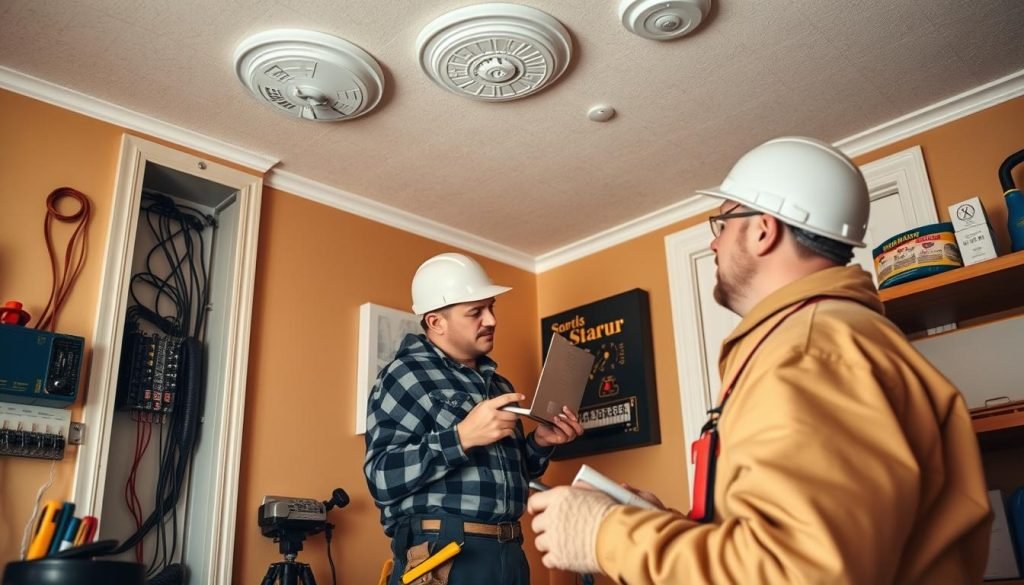
Practice Safe DIY Practices
Doing DIY electrical repairs can be fun, but safety comes first. Knowing the right tools and methods is key. This ensures your work is done right and keeps everyone safe. Using DIY electrical repair tips helps make your home safer. This guide will show you important safety steps and tools for safe electrical work.
Tools and Tips for Safe Electrical Work
Having the right tools and being prepared is crucial for safe electrical work. Here are some essential tools and safety tips:
- Insulated Tools: Get insulated screwdrivers and pliers to lower shock risks.
- Voltage Tester: Always check for voltage before touching wires. A voltage tester gives accurate readings.
- Personal Protective Equipment: Wear rubber gloves and safety goggles to protect against electrical hazards.
- Clear Workspace: Make sure your workspace is clean and free of liquids. Keep liquids at least 5 feet away from electrical gear.
- Know Circuit Disconnections: Learn how to safely switch off the circuit breaker before starting work.
When to Call a Professional
While some tasks are doable, knowing when to call a pro is key for safety. Electricians are trained for complex issues that can come up during repairs. DIY might not be right for:
- Overheating or Frequent Tripping: If circuit breakers trip often or lights flicker, a pro should check the system.
- Outdated Wiring: Homes with old, faulty wiring need a pro to upgrade safely.
- Electrical Fires: If you smell burning or see scorch marks around plugs, get a pro right away.
- Ground Fault Issues: Inadequate grounding can cause shock hazards. Professional installation of Ground Fault Circuit Interrupters (GFCIs) is needed.
- Complex Installations: Big installations, like major renovations, should be done by certified electricians.
Keep Electrical Areas Clear
Keeping electrical areas tidy is key for safety. Clutter can block access to important parts like outlets and circuit breakers. This can lead to hazards and increase the chance of electrical problems.
Importance of Organising Electrical Spaces
An organised electrical area is safer. It allows for quick access in emergencies. This reduces the risk of accidents, especially fires, which cause about 10% of home incidents.
Keeping things neat prevents accidents and makes spotting hazards easier.
Tips for Maintaining a Clutter-Free Environment
- Check all electrical appliances and connections regularly. This can prevent about 30% of electrical accidents, as many are caused by faulty connections.
- Don’t overload sockets. Each socket can handle a voltage range of 120-240 volts. Going over this can cause fires.
- Check the wiring and replace old systems. Damaged wiring is behind 20% of electrical problems, so spotting it early is crucial.
- Make sure outlets aren’t warm or hot. This could mean wiring problems that could start fires.
- Store electrical supplies well. Use labelled containers and keep cables untangled for easy access.
| Electrical Safety Measures | Impact on Safety |
|---|---|
| Regular Inspections | Identify issues early, preventing accidents. |
| Avoiding Overloads | Reduces fire risk associated with overloaded circuits. |
| Organising Spaces | Ensures quick access and reduces hazards. |
| Maintaining Wiring | Prevents problems linked to outdated wiring systems. |
Following these steps and making electrical safety a part of daily life can greatly reduce risks. Spotting electrical problems early is key to keeping things safe. A well-organised approach to electrical safety is vital in preventing serious incidents and keeping everyone safe.
Awareness of Emergency Procedures
Knowing how to act in electrical emergencies can save lives. It’s crucial for homeowners to prevent electrical hazards. Learning the right steps can avoid serious damage or injury. Make sure you know how to shut down power, handle electrical fires, and find quick help.
What to Do in an Electrical Emergency
When an electrical emergency strikes, act fast. Here are some key safety tips:
- Turn off the power at the main switch if it’s safe.
- Use a fire extinguisher rated for electrical fires if there’s a fire; never use water.
- Leave the area if you see smoke or an electrical problem.
- Call emergency services and give them all the details.
Creating an Emergency Contact List
Having an updated emergency contact list is vital. It helps you react quickly in emergencies. Make sure it includes:
| Contact Type | Name | Phone Number |
|---|---|---|
| Electrical Emergency Services | Your local electrician | [Insert number] |
| Fire Department | N/A | [Insert number] |
| Family Emergency Contacts | Family Member 1 | [Insert number] |
| Family Emergency Contacts | Family Member 2 | [Insert number] |
Check and update this list often. Make sure everyone knows what to do in an electrical emergency. By taking steps to prevent electrical hazards, you make your home safer.
Use Proper Lighting Techniques
Good lighting is key for seeing things clearly and keeping your home safe. The right lighting can cut down on electrical problems. Using energy-saving lights like LEDs is important for safety and brightening up your space.
Benefits of LED Lighting
LED lights are great for saving energy and keeping your home safe. They use less power than old bulbs, which means lower bills. Here are some benefits:
- They use less energy, saving you money on bills.
- They don’t get hot, which lowers the risk of fires.
- They last longer, so you don’t have to replace them as often.
- They don’t flicker much, which means they’re not overloaded.
Using LEDs can help avoid flickering lights. About 30% of flickering is due to overloaded circuits. This small change can make a big difference in safety.
Avoiding Overheated Bulbs
Hot bulbs are a big fire risk. It’s important to check and keep your lights in good shape. Here are some tips:
- Make sure bulbs fit right in sockets to avoid loose connections.
- Don’t use bulbs that are too big for your fixtures to avoid overheating.
- Watch for warm outlets or bulbs that burn out a lot. These might mean bigger electrical problems.
- Use surge protectors to stop voltage spikes that can cause fires.
Checking your lights every 3-5 years can help find problems early. This can cut down on fire risks by 60%. Being proactive can help keep your home safe from electrical fires.
Stay Informed About Electrical Codes
Knowing and following electrical codes is key for homeowners wanting to keep their homes safe and legal. These codes stop common electrical issues that could cause fires or shocks. Most insurance policies require homes to follow these codes. If not, they might not cover electrical emergencies.
Why Code Compliance Matters
Electrical codes, like the National Electrical Code (NEC), change often to keep up with safety standards. Homes with old wiring might struggle during inspections, lowering their value. About 70% of code breaches are due to bad wiring and grounding.
Knowing your state’s codes can greatly reduce electrical dangers and make your home safer.
How to Check Local Codes
Homeowners can find out about local electrical codes by talking to local authorities or skilled electricians. Getting a licensed electrician to check your home at least once a year is a good idea. This can reveal hidden problems and ensure you’re following the rules.
It’s also important to remember that electrical codes vary by state. They affect things like energy use and how well your home stands up to storms. By keeping up with these codes, you can lower the risk of electrical system problems.
FAQ
What are some common electrical problems in homes?
Common issues include overloaded circuits and flickering lights. Frequent circuit breaker trips and outdated wiring are also common. Spotting these problems early can save you money and keep you safe.
How can I ensure electrical safety in my home?
For electrical safety, check your systems regularly. Use appliances as the maker suggests. Don’t overload circuits and use GFCIs in wet areas.
What should I do if my circuit breaker keeps tripping?
If your breaker trips often, it’s a big deal. Try resetting it first. But if it keeps happening, get a pro to find and fix the issue.
When should I consider hiring a qualified electrician?
Get a pro for big repairs or installations. They follow safety rules and avoid risks.
How can I safely use extension cords in my home?
Pick cords right for your appliances. Don’t link cords together and check them often. Keep cords out of the way to avoid tripping.
What are the signs of poor grounding in my electrical system?
Poor grounding might mean shocks or breaker trips. Your devices might not work right. A pro should check your grounding.
How often should I perform electrical inspections?
Do electrical checks yearly. But if you see flickering lights or breaker trips, do it sooner.
What precautions should I take for outdoor electrical safety?
Use weatherproof cords and outlets outside. Make sure pool area wiring meets safety rules. Don’t use indoor cords outside.
Are GFCIs necessary in all areas of my home?
Yes, in wet areas like kitchens and bathrooms. They stop electrical shocks by cutting power if needed.
How can proper lighting techniques enhance electrical safety?
LED lights are safer because they don’t get too hot. Make sure bulbs fit right and check for damage often.