Have you ever thought about how much your daily life depends on your electrical systems? As we use more technology and appliances, keeping them in good shape is key. Ignoring them can be dangerous and costly for homes and businesses.
Regular checks can cut down electrical fire risks by 80%. They also save money on repairs, which can cost between $30,000 and $50,000. Plus, they make your equipment work better and last longer. This means your property stays safe and your appliances run smoothly.
Exploring electrical maintenance reveals many benefits. It boosts safety and saves money. Are you ready to see why ignoring your electrical systems could be a big mistake?
Key Takeaways
- Regular electrical maintenance significantly lowers the risk of electrical fires by up to 80%.
- Proper checks can prevent costly emergency repairs, which may average up to $50,000.
- Routine maintenance can extend equipment’s operational life by an average of 20% to 30%.
- On average, homeowners could save $200 annually on electricity bills by implementing proper maintenance.
- Neglecting inspections could lead to as much as 25% of electrical failures.
What is Electrical Maintenance?
Electrical maintenance is about keeping electrical systems safe and working well. It involves regular checks and services to stop problems before they get worse. There are two main types: preventative maintenance to prevent issues and corrective maintenance to fix them.
Definition of Electrical Maintenance
Electrical maintenance is all about keeping electrical systems safe and efficient. It includes detailed inspections, testing of parts, and fixing any problems found. Regular maintenance helps avoid unexpected failures and keeps properties safe.
Types of Electrical Maintenance
- Preventative Maintenance: This involves regular checks to find and fix problems early. It’s especially important for older homes with outdated wiring. Preventative maintenance helps avoid electrical fires and power outages.
- Corrective Maintenance: This type fixes problems when they are found. It’s important to act quickly to ensure safety and avoid bigger failures. Ignoring electrical issues can raise energy costs by 10-30%.
Benefits of Regular Electrical Maintenance
Regular electrical maintenance offers many benefits for properties and their occupants. It ensures a safe and efficient electrical system. This allows both people and appliances to work well together.
Improved Safety Standards
Regular checks are key to keeping electrical systems safe. They help spot potential dangers like faulty wiring and overloaded circuits. These issues can cause fires or electric shocks.
Many household fires start from electrical problems. So, it’s crucial to fix these issues early to protect lives and property.
Enhanced Equipment Lifespan
Looking after electrical systems makes appliances last longer. Regular inspections can replace old parts like fuses and switches. This keeps appliances running smoothly without interruptions.
Ignoring maintenance can lead to expensive repairs or buying new appliances. Homeowners should regularly service their electrical systems to keep their devices in good shape.
Increased System Efficiency
Keeping electrical systems in top shape can cut down on energy bills. It also helps the environment. With proper care, homeowners can save up to 20% on energy costs.
A well-maintained system uses energy more efficiently. This means appliances work better, leading to big savings on utility bills.
The Risks of Neglecting Electrical Maintenance
Not keeping up with electrical maintenance can be very dangerous. It can make things unsafe, cost more money, and damage property. It’s important to know these risks to keep electrical systems working well and people safe.
Fire Hazards
Not doing regular electrical checks can lead to fires. Faulty wiring and overloaded circuits are common causes of house fires. If parts are not checked, they can start fires that are very dangerous.
Regular maintenance can help avoid these fires. It keeps electrical systems safe and working right.
Equipment Failure
Not maintaining electrical systems can cause them to fail. Systems that are not looked after work poorly and can break down. This means expensive fixes or new parts.
Also, broken appliances need to be replaced often. This costs a lot of money for homeowners and businesses.
Increased Energy Costs
Not taking care of electrical systems can make energy costs go up. Old or broken equipment uses more energy, which means higher bills. This is bad for your wallet and the environment.
Regular checks help keep systems running well. This saves money and is better for the planet.
| Risks | Description | Consequences |
|---|---|---|
| Fire Hazards | Faulty wiring and overloaded circuits leading to fires | Life-threatening situations, property damage |
| Equipment Failure | Lack of maintenance causing breakdowns | Costly emergency repairs, shortened appliance lifespan |
| Increased Energy Costs | Outdated systems requiring more energy | Higher electricity bills, financial strain |
Key Components of Electrical Systems
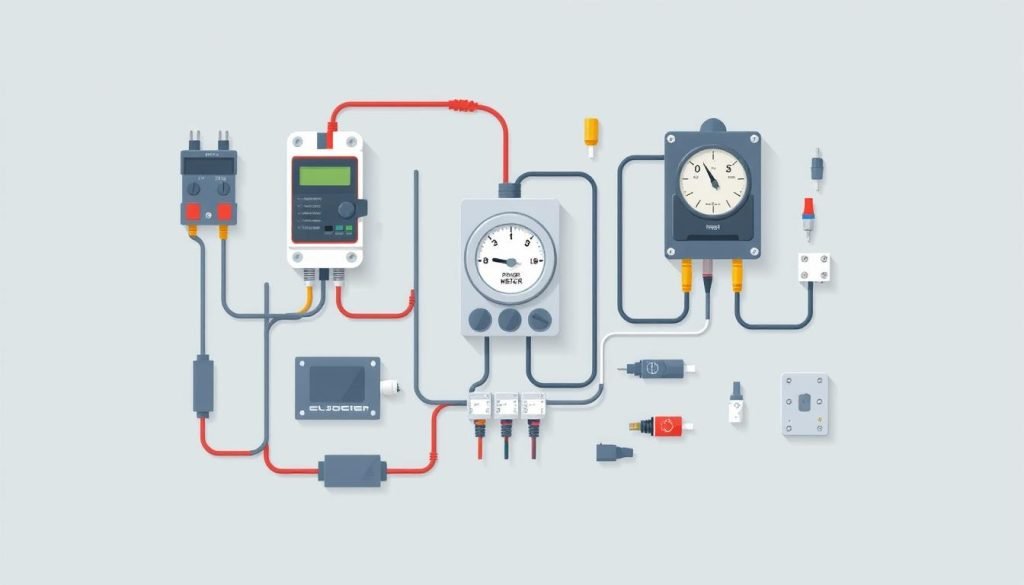
It’s important to know the key parts of electrical systems for safety and efficiency. Keeping these parts in good shape improves how well they work and lowers the chance of breakdowns. The main things to watch are circuit breakers, wiring and cabling, and electrical panels.
Circuit Breakers
Circuit breakers are key in keeping electrical systems safe by stopping the flow of current when there’s a problem. They prevent overheating and fires, so checking them regularly is a must. Testing circuit breakers can cut the risk of electrical problems by almost 80%.
Wiring and Cabling
The state of wiring and cabling is crucial for safe electricity flow in a building. Ignoring these can lead to a 50% increase in fire risks. Keeping them in check can make your place safer and more energy-efficient by up to 30%.
Electrical Panels
Electrical panels are the heart of managing power in a building. Keeping them in good shape helps your electrical system last longer. Proper care can add up to 40% to the life of your equipment, saving you money on repairs. Regular checks can prevent unexpected shutdowns and costly problems.
How Often Should Electrical Maintenance be Conducted?
It’s key to have a regular electrical maintenance schedule. This is true for both homes and businesses. The right schedule depends on the property type and how much it’s used. Regular checks help spot dangers early, keeping everyone safe and the electrical systems working right.
Recommendations for Residential Properties
For homes, doing electrical checks once a year is a good rule. This helps find problems like bad outlets and damaged wires early. It makes electrical systems last longer, keeping homes safe and saving energy.
Guidelines for Commercial Properties
Businesses need more frequent checks because they use a lot of electrical gear. They should get inspections every 6 to 12 months, depending on their needs. This can cut down electrical failures by 30% and save on repair costs. A good maintenance plan also meets legal rules and cuts down on energy use, saving money.
| Property Type | Recommended Maintenance Frequency | Primary Focus Areas |
|---|---|---|
| Residential Properties | Once a year | Faulty outlets, frayed wiring, system efficiency |
| Commercial Properties | Every 6 to 12 months | Equipment usage, compliance, energy efficiency |
Common Electrical Issues Addressed in Maintenance
Regular electrical maintenance is key to spotting and fixing common electrical problems. These issues can affect safety and efficiency in homes and businesses. By acting early, we can avoid bigger dangers.
Flickering Lights
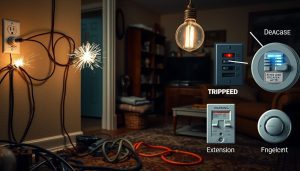
Flickering lights often mean there’s a problem like loose wiring or too much load on circuits. These common electrical issues can lead to fires if not fixed. Regular checks can find these problems and keep your electrical system stable.
Frequently Tripped Circuit Breakers
About 20% of homeowners deal with tripped circuit breakers. This usually means there’s a wiring issue or too much load. Fixing these common electrical issues quickly can save money and make your electrical system last longer.
Strange Odours or Sounds
Odd smells or sounds from outlets or appliances can mean serious electrical problems. These signs need quick action to avoid fires or equipment failure. Regular maintenance helps catch and fix these issues, keeping everything safe and working well.
Importance of Professional Electrical Inspections
Regular electrical inspections by licensed electricians are key to safe and efficient systems. They spot hazards early, preventing big problems. Electricians check electrical parts, making sure they meet safety rules.
Licensing and Qualifications of Electricians
It’s crucial to choose licensed electricians for inspections. They’ve had the right training to follow electrical standards. They know the laws and safety rules for electrical work. This ensures the job is done right and safe.
What to Expect During an Inspection
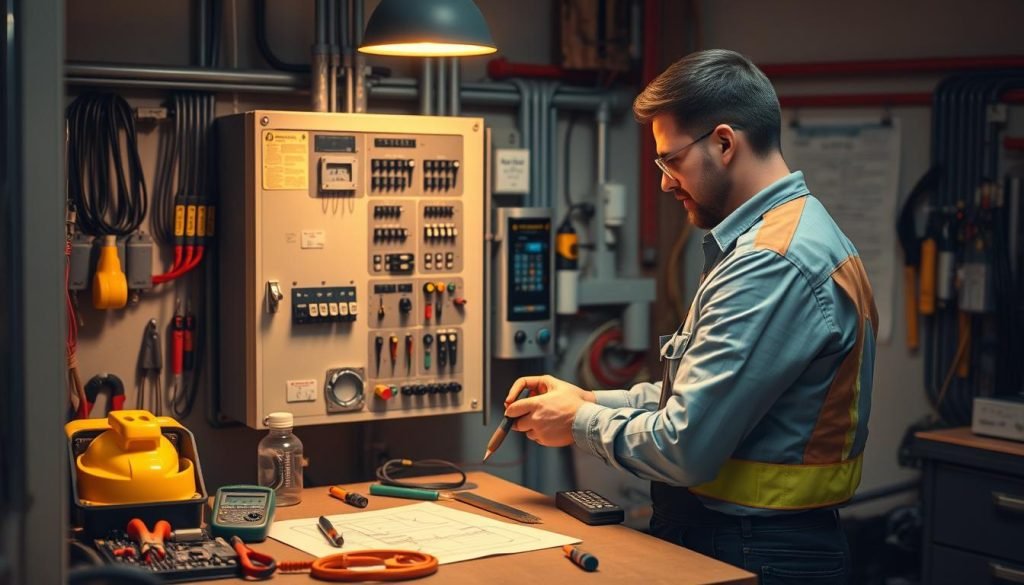
Licensed electricians check many parts during an inspection. They look at wiring, circuit breakers, and panels. They use special tools to find hidden problems.
| Inspection Step | Description |
|---|---|
| Visual Inspection | Checking the overall condition of electrical components and systems for visible signs of damage or wear. |
| Testing of Circuit Breakers | Ensuring circuit breakers are functioning correctly and can trip as needed to prevent overloads. |
| Wiring Assessment | Evaluating the integrity of wiring, looking for signs of fraying, overheating, or other hazards. |
| Load Testing | Measuring the electrical load to ensure the system can handle current demands without failure. |
| Compliance Check | Ensuring all electrical installations adhere to local and national safety standards. |
Regular inspections can cut electrical failure risks by up to 60%. Skipping them can lead to fires and shocks. Having a safe electrical system is priceless.
DIY Electrical Maintenance vs. Professional Help
Electrical maintenance can be scary for many homeowners. Knowing when to do it yourself versus when to call a pro is key. Simple tasks like changing a light bulb are okay, but complex issues need a trained electrician. We’ll look at when DIY is safe and the dangers of trying too much.
When to Attempt DIY Maintenance
Homeowners might try DIY for minor tasks like:
- Changing light fixtures
- Replacing switches and outlets
- Resetting circuit breakers
With the right knowledge and tools, these tasks can be done safely. But, for complex problems like faulty wiring, it’s best to call a pro.
Risks Associated with DIY Approaches
DIY electrical work can be risky. About 70% of homeowners face issues when trying to fix electrical problems. Only 10% do it safely without needing more help. Here are some risks:
- Electrical shocks and fires
- Not following legal standards, which can cause accidents and insurance issues
- Fixing mistakes can cost up to 50% more than hiring a pro
- Not getting official Electrical Installation Certificates (EICs) or Electrical Installation Condition Reports (EICRs), which are important for safety and the law
With 30% of electrical accidents caused by DIY, it’s clear that pros are needed. Regular professional checks can make systems safer and last longer by up to 30%.
| Aspect | DIY Electrical Maintenance | Professional Electrical Services |
|---|---|---|
| Safety Compliance | Often lacks adherence to safety standards | Meets all safety regulations and provides certifications |
| Cost Efficiency | Can incur higher long-term costs due to mistakes | Can save up to 50% on repair costs through proper maintenance |
| Repair Quality | Variable, often leads to further issues | High-quality repairs with long-lasting results |
| Risk of Accidents | Higher risk of electrical shocks and fires | Comprehensive safety checks reduce accident rates |
Before doing DIY electrical work, think about these points. Choosing professional help ensures safety and follows the law.
Energy Efficiency and Electrical Maintenance
Adding energy efficiency to regular electrical checks brings big savings and helps the planet. By doing thorough checks, owners can spot where energy is wasted. This leads to higher bills. Fixing old gear or bad wiring cuts costs and helps the environment.
Impact on Electricity Bills
Keeping your electrical system in check can save 10% to 30% on energy. Spotting small issues early stops big energy losses. This can cut bills by up to 75% over time.
Also, a well-kept system lasts longer, saving on expensive replacements. This can add 15-20 years to your equipment’s life.
Eco-Friendly Practices
Using eco-friendly methods in electrical upkeep boosts energy saving efforts. Using efficient lights and checking systems often makes homes greener. It also keeps places safe and avoids fines.
Regulatory Standards and Compliance
It’s crucial to know the regulatory standards for electrical systems’ safety and efficiency. In Australia, following standards like AS/NZS 3000 is a must for businesses. This not only reduces risks but also avoids big fines.
Australian Electrical Standards Overview
The Australian electrical standards give key rules for electrical systems’ design, installation, and upkeep. They cover local rules, like those from the Victorian Building Authority and New South Wales Fair Trading. Regular checks help spot dangers early, keeping everyone safe and following the rules.
Importance of Compliance for Safety
Staying safe by following the rules is very important. Breaking the rules can cost thousands in fines. It also means higher insurance costs and could lead to legal trouble.
Regular checks and upkeep help avoid electrical problems. Keeping records of these actions is also key. It proves you’re following safety rules during audits.
Choosing the Right Electrical Maintenance Provider
Finding the right electrical maintenance provider is key for your system’s safety and longevity. A good provider uses effective maintenance plans. This ensures your electrical services are always reliable. It’s important to look at several factors before choosing.
Factors to Consider
The right electrical maintenance provider can greatly improve your system’s efficiency and safety. Important things to think about include:
- Licensing and Credentials: Make sure the electricians have the right licenses and qualifications. They should have years of training to handle different electrical problems.
- Experience: A provider with a long history in the field is more likely to solve problems effectively. They’re better prepared for unexpected issues.
- Customer Reviews: Look at what past clients have said. Good reviews often mean the provider is reliable and does quality work.
- Scope of Services: Check if the provider can meet your specific needs. This includes regular checks and urgent repairs.
- Cost Transparency: A reputable provider will give clear estimates and explain their prices. This helps avoid surprise costs later.
Questions to Ask Potential Providers
Talking to potential providers helps you understand their skills and if they’re right for you. Key questions to ask include:>
- What are your service guarantees or warranties?
- Can you provide references or examples of similar projects you have completed?
- How do you ensure compliance with local safety regulations?
- What is your response time for emergency services?
- How do you handle potential electrical risks during maintenance visits?
Choosing a reliable electrical services provider can greatly improve your operations. By looking at these factors and asking the right questions, you can find essential services. These services will keep your electrical systems safe and efficient.
| Criteria | Importance |
|---|---|
| Licensing and Credentials | Ensures compliance and safety standards are met |
| Experience | Indicates ability to manage various electrical challenges |
| Customer Reviews | Reflects reputation and quality of service |
| Scope of Services | Ensures specific needs are met adequately |
| Cost Transparency | Prevents potential for unexpected charges |
Case Studies: Success Stories in Electrical Maintenance
Looking at case studies shows us how important regular electrical maintenance is. These stories highlight the benefits of keeping both homes and businesses safe and efficient. They show how proactive care can make a big difference.
Residential Example
A recent case involved a home where frayed wiring was found during inspections. Before regular checks, the owner had problems like flickering lights and overloaded circuits. After fixing these issues, the risk of fires went down, and the electrical system worked better.
Now, the homeowner has fewer electrical problems. This proves that regular checks are key to keeping homes safe and efficient.
Commercial Example
A manufacturing facility was having trouble with equipment breakdowns and downtime. The main problem was with the conveyor systems, which hurt productivity. TBM consultants started a Total Productive Maintenance (TPM) program to improve safety and quality.
This led to a 48% drop in incidents with conveyor systems and a 24% decrease in downtime. Over 400 overdue work orders were also fixed. This shows how good maintenance can boost a business’s efficiency.
Conclusion: Prioritising Regular Electrical Maintenance
Keeping electrical systems in good shape is key for safety and efficiency. Fixing small problems early can stop big dangers like fires and shocks. This makes places safer for everyone.
Regular checks also make equipment last longer and use less energy. This can save a lot on bills over time.
Summary of Key Points
Ignoring electrical upkeep can lead to big problems. Up to 80% of workplace injuries come from electrical issues. This shows how important it is to act early.
For homes, regular checks avoid legal troubles and keep everyone safe. It’s a win-win for everyone.
Call to Action for Property Owners
Property owners should book regular checks with skilled electricians. This keeps your place safe and saves money. It’s a wise move for the future.