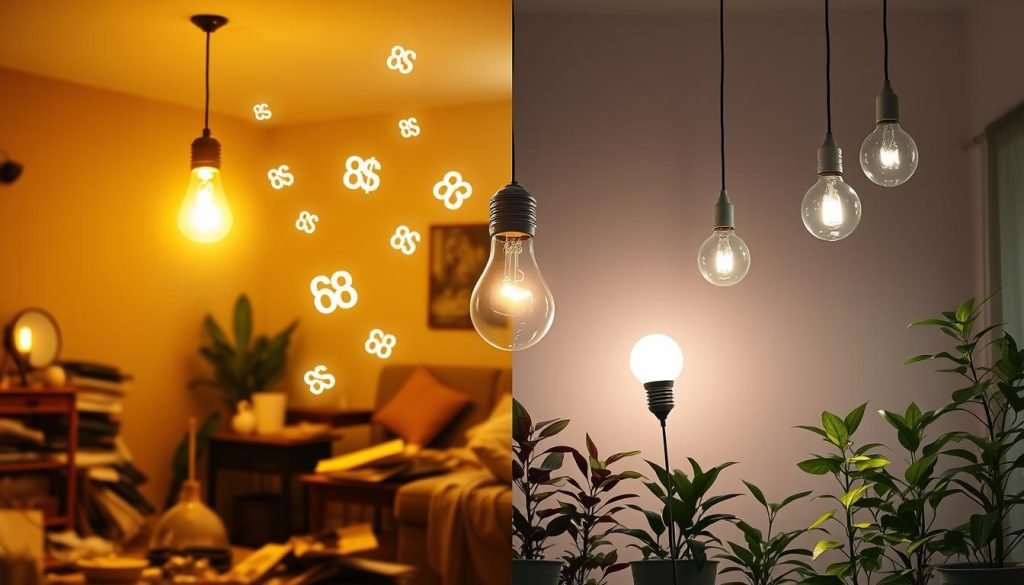
Did you know changing to energy-efficient lighting can save you over $225 a year? It’s amazing how a simple switch can make a big difference. LEDs and CFLs cut down electricity use and bills.
In Australia, lighting uses about 15% of a home’s electricity. With new, cost-effective lighting, the switch is even more worth it. These modern lights use up to 90% less energy than old bulbs and improve the light quality. This article will look at the many benefits of energy-efficient lighting, from saving money to helping the environment and better lighting.
Key Takeaways
- Switching to energy-efficient lighting can save an average household approximately $225 each year.
- LED lights use up to 90% less energy compared to traditional incandescent options.
- Energy-efficient lighting options last significantly longer, with LEDs reaching lifespans of up to 25 times longer.
- Commercial buildings can save up to 90% on energy consumption by upgrading to LED fixtures.
- Utility rebates for LED lighting can offer substantial savings, reaching up to $249.
- Adopting ENERGY STAR-qualified fixtures enhances energy savings with features like automatic daylight shut-off.
Introduction to Energy-Efficient Lighting
Energy-efficient lighting uses less electricity than old bulbs but shines just as bright. It’s key for saving energy and protecting our planet. The importance of energy efficiency is huge, especially for our planet’s future.
Definition of Energy-Efficient Lighting
Options like LED and CFL bulbs are part of energy-efficient lighting. LEDs use 90% less energy than old bulbs and last much longer. They can last from 50,000 to 100,000 hours, which is a big win for our planet.
Importance of Energy Efficiency in Lighting
Lighting uses about 15% of the world’s electricity. Switching to energy-efficient lighting is crucial for saving energy. It helps cut down on harmful emissions, which is vital for our environment.
| Type of Bulb | Energy Usage | Average Lifespan | Energy Savings |
|---|---|---|---|
| Incandescent | 100W | 1,000 hours | Base |
| CFL | 15W | 10,000 – 15,000 hours | 70% less |
| LED | 10-15W | 50,000 – 100,000 hours | Up to 90% less |
Financial Savings with Energy-Efficient Lighting
Choosing energy-efficient lighting is good for your wallet and the planet. It cuts down your electricity bills. This helps your family budget and boosts the economy.
Reduced Energy Bills
LEDs can save you up to 85% on energy costs. This means about AUD 225 less each year. With prices going up, saving on energy is key for managing your budget.
Long-Term Cost Benefits
Energy-efficient lighting pays off in the long run. It can save you around 17% in developed countries. In Australia, businesses can cut energy use by 25%, saving a lot of money over time.
Government Incentives and Rebates
The Australian government helps with energy-efficient lighting. Programs like the Energy Efficient Communities Program have given over AUD 90 million in funding. This leads to about AUD 32 million in savings each year. Local councils and energy companies also offer help, making it easier to upgrade.
| Measure | Potential Savings | Government Support |
|---|---|---|
| LED Lighting Upgrade | Up to 85% on energy costs | Over $90 million funding |
| Commercial Energy Efficiency Implementation | 25% reduction in energy consumption | Annual savings of $32 million |
| Return on Investment | 17% | Various incentives available |
Environmental Impact of Energy-Efficient Lighting
Energy-efficient lighting is great for the planet. It helps us move towards a greener future by using less energy. Switching to LEDs and CFLs cuts down on energy use and greenhouse gas emissions a lot.
Reduction of Carbon Footprint
Using energy-efficient lighting cuts down on carbon footprint a lot. Lighting uses about 15% of the world’s electricity. LEDs use 20-25% less energy than incandescent bulbs to light up the same area.
LEDs are also better for the environment because they use less energy. Saving one kilowatt-hour of electricity means cutting down about 0.9 kilograms of carbon emissions. Switching to LEDs can save a lot on energy bills and help the environment.
Contribution to Sustainable Practices
Choosing sustainable lighting options shows we care about the planet. Energy-efficient lighting helps us use less fossil fuel and more renewable energy. This supports Australia’s efforts to protect nature and fight climate change.
Using LEDs and CFLs can cut energy use by up to 30% compared to old lights. This means less energy needed and less waste from shorter-lived lights. It’s a big win for the environment.
| Lighting Type | Power Usage (W) | Lifespan (Hours) | Energy Efficiency (Lumens/Watt) | Environmental Impact |
|---|---|---|---|---|
| Incandescent | 60 | 750-1,000 | 13 | High energy consumption, high emissions |
| Halogen | 55 | 2,000-4,000 | 14.5 | More efficient, but still significant emissions |
| CFL | 15 | 6,000-15,000 | 53.3 | Lower emissions, contains mercury |
| LED | 16 | 50,000+ | 50 | Minimal emissions, significantly lower waste |
Improved Lighting Quality
Switching to energy-efficient lighting makes a big difference in how well-lit places are. This is mainly thanks to LED technology, which outshines old bulbs. People and businesses see better lighting, more brightness, and less flicker and glare.
Enhanced Brightness and Clarity
LED lights make spaces brighter and more welcoming. They give off light similar to natural daylight. This makes things clearer and colours more vivid.
With better lighting, people feel happier and work better. It’s a win-win for everyone.
Reduced Flicker and Glare
LEDs are great at cutting down on flicker and glare. This makes watching things more comfortable. It also means less eye strain and a better place to relax or work.
| Feature | LED Lighting | Traditional Lighting |
|---|---|---|
| Energy Consumption | Up to 90% less energy used* | Standard consumption levels |
| Lifespan | 25,000 – 50,000 hours | 750 hours |
| Brightness Clarity | enhanced brightness with cri of> | Generally lower clarity |
| Flicker and Glare | Significant reduction | Common issues present |
Energy-efficient lighting brings many benefits. It makes spaces look better and improves how people feel and work. It’s a smart choice for anyone looking to upgrade their lighting.
Longevity of Energy-Efficient Lighting Solutions
Energy-efficient lighting is popular for its long life and green benefits. It lasts longer than old bulbs, making it better for users and saving money. This part talks about how these lights last longer and cost less to maintain.
Longer Lifespan Compared to Traditional Bulbs
LED lights are known for lasting up to 50,000 hours. This is much longer than the 1,000 hours of old bulbs. Their longevity of lighting solutions means you don’t have to change them as often. This makes your lights work better for a longer time.
Reduced Maintenance Costs
Changing bulbs less often means you spend less on maintenance. Both homes and businesses save money with these lights. They also save time and effort on upkeep. Choosing these lights means less trouble with your lighting for years.
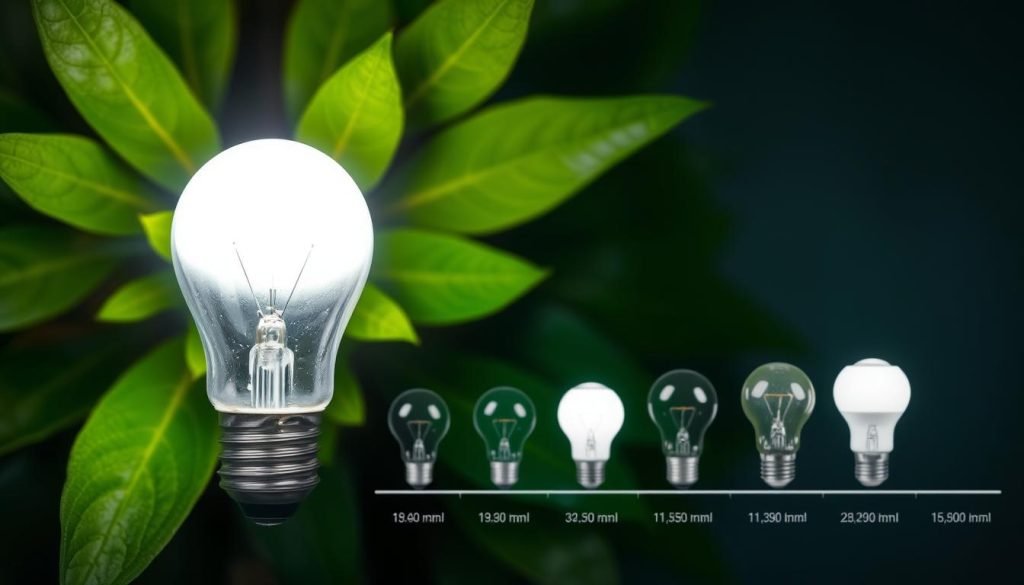
Types of Energy-Efficient Lighting
There’s a growing focus on sustainable lighting options for homes and businesses. Knowing about these choices helps us make better decisions.
LED Lighting
LEDs are at the forefront of energy-saving lighting. They use the least power and last over 25,000 hours. This is much longer than old bulbs.
LEDs also give off a lot of light while using little energy. They’re perfect for busy areas like living rooms, needing over 1,000 lumens.
CFL Lighting
CFLs are another good choice for saving energy. They last about 6,000 to 8,000 hours, longer than some old bulbs. They work well in places like laundry rooms, needing around 800 lumens.
But, it’s worth noting that halogen bulbs are no longer sold in Australia since September 2020. This has made CFLs a more popular choice.
Smart Lighting Systems
Smart lighting has changed how we use light in our homes. These systems let you control lights from anywhere, setting them to your liking. They even adjust brightness and colour to suit different rooms.
Choosing energy-efficient lighting can cut down on bills and make our homes greener. With options like LEDs, CFLs, and smart systems, we can enjoy big savings over time.
Compliance with Australian Standards
It’s crucial to meet Australian lighting standards for safety and performance. The AS/NZS compliance framework sets strict rules. These rules affect how lighting systems are designed and installed across the country.
Everyone, from makers to buyers, needs to know these rules. They help ensure energy-efficient lighting meets high standards.
Understanding AS/NZS Standards
The AS/NZS lighting standards cover efficiency, safety, and performance. They keep up with new technology, making sure lighting products are energy-efficient. For example, the National Construction Code (NCC) now requires new homes to have a 7-star energy rating.
This means homes must be more energy-efficient. To check if homes meet these standards, special software like BERS Pro and FirstRate5 is used.
Benefits of Compliance
Following energy-efficient lighting rules has many benefits. It makes lighting safer and more reliable. With the shift to LED lighting, meeting AS/NZS standards means these products work well and are good for the environment.
Also, sticking to these rules can save money. Homes in Queensland could save about $185 a year on electricity. On a bigger scale, better energy standards could cut greenhouse gas emissions by 4.63 million tonnes.
Aesthetic Benefits of Upgrading
Switching to energy-efficient lighting can really change how spaces look. It makes both homes and offices look better. New lighting tech offers many styles and finishes, making spaces more beautiful and functional.
Design Versatility
LED lighting is great for any design. You can find everything from simple to fancy lights. With so many colours and brightness levels, you can make your space truly yours.
It’s easy to highlight art or architectural details. Or, you can just make a room feel welcoming.
Mood Enhancement
Lighting affects how we feel. The right light can make us relax or get energised. For example, soft lighting is perfect for cosy nights, while bright light helps us stay focused.
By choosing the right lights, you can make a space feel bigger. This thoughtful lighting not only looks good but also makes us feel better.
| Lighting Type | Aesthetic Impact | Energy Efficiency |
|---|---|---|
| LEDs | Wide range of styles; enhance aesthetics significantly | Uses up to 90% less energy than incandescent bulbs |
| CFLs | Compact and versatile; suitable for various settings | Higher energy savings compared to traditional bulbs |
| Smart Lighting | Customisable colours; intelligent design integration | Energy savings of 20% to 30% based on usage |
Choosing the Right Energy-Efficient Lighting
Choosing the right energy-efficient lighting is about more than just saving energy. It’s about finding the perfect balance between function and style. Understanding what makes good lighting is key to meeting your needs and saving energy.
Factors to Consider
When picking energy-efficient lighting, think about these important factors:
- Brightness: The light’s strength is measured in lumens. For small rooms, 400 lumens is enough. But bigger rooms might need over 1000 lumens.
- Color Temperature: Warm white light (around 2700K) is cozy for bedrooms. Cool white (5000K) is better for tasks.
- Lifespan: LEDs last a long time, at least 25,000 hours. That’s much longer than other bulbs.
- Type of Bulb: LEDs are the most efficient. They use 75% less energy than old bulbs.
Consulting with Professionals
Talking to lighting experts can make choosing easier. They know what you need and can suggest the best options. They also make sure you follow local rules. Their advice helps you find the right look and function for your space.
| Type of Bulb | Average Lifespan | Energy Efficiency | Typical Lumen Output |
|---|---|---|---|
| LED | 25,000 hours | Most efficient, uses 75% less energy than incandescent | Varies widely; ideal for high light output |
| CFL | 6,000 to 8,000 hours | More efficient than halogen/incandescent but contains mercury | 800 lumens (or higher recommended) |
| Incandescent | 1,000 to 2,000 hours | Least energy-efficient, phased out in Australia | Varies; generally lower output |
Using energy-efficient lighting improves your home’s look and saves energy. It’s good for the planet too.
Installation Process of Energy-Efficient Lighting
Choosing between DIY lighting projects and professional installation is key when upgrading to energy-efficient lighting. Your decision should consider your budget, technical skills, and safety awareness. It’s important to know the differences between these options for a successful installation.
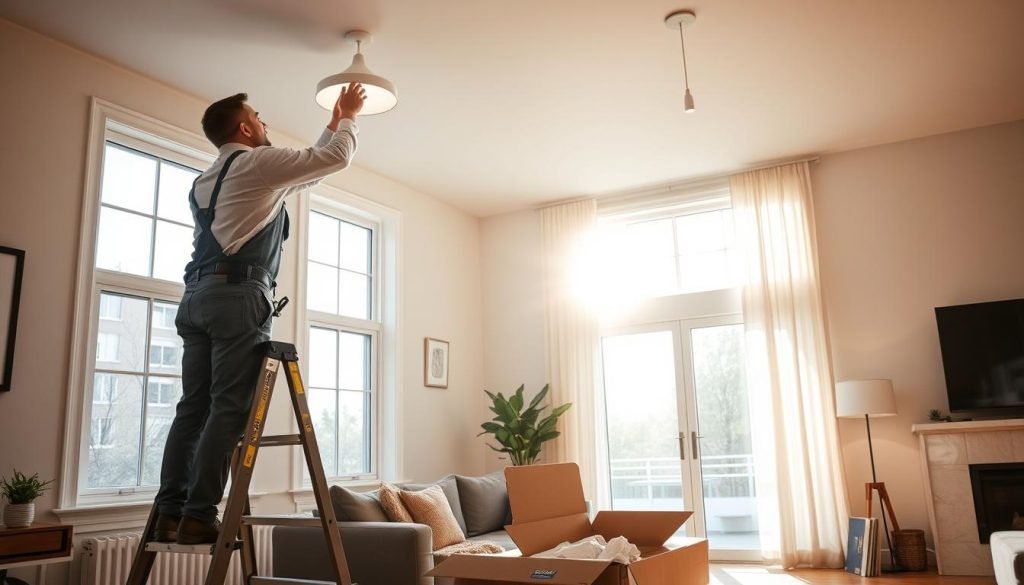
DIY vs. Professional Installation
Many homeowners choose DIY lighting projects to save money. This can be rewarding, giving you hands-on experience and a sense of accomplishment. But, DIY projects require a good grasp of electrical systems, which can be risky if not done right.
On the other hand, professional lighting installation might cost more upfront but offers many benefits. Licensed electricians bring expertise and ensure safety standards are met, making the process smoother. They can also suggest the best energy-efficient options for your needs, ensuring your system works well.
Safety Considerations
Safety is paramount when installing energy-efficient lighting. Whether you’re doing it yourself or hiring professionals, knowing safety measures is crucial. Some important safety steps include:
- Turn off the power supply to the circuit before starting any work.
- Use the right tools and equipment for the job.
- Check electrical codes and standards to follow them.
- Think about using LED bulbs, as they are generally safer than other types.
Making smart choices when installing energy-efficient lighting helps us move towards a greener future. By understanding the pros and cons of DIY and professional installations, and following safety guidelines, you can enjoy the benefits of modern lighting solutions.
| Installation Type | Pros | Cons |
|---|---|---|
| DIY Lighting Projects | Cost savings, personal satisfaction, flexibility | Safety risks, potential for errors, time-consuming |
| Professional Lighting Installation | Expertise, compliance with standards, tailored solutions | Higher upfront costs, scheduling dependent on availability |
Smart Home Integration
Smart lighting systems in homes bring many benefits. They make homes more energy-efficient and convenient. Homeowners love the smart lighting benefits like automated schedules, remote control, and voice commands. These features help manage energy well, making homes more sustainable.
Benefits of Smart Lighting
Smart lighting is key to saving energy. Homes can use 10-30% less energy with smart tech. The main advantages are:
- Lighting schedules that match when people are home.
- Dimmers for adjustable light levels, saving energy.
- Less need for manual controls, which can waste energy.
Compatibility with Home Automation
Home automation makes smart lighting systems work better. Working with Google Home or Amazon Alexa improves energy control. Key points include:
- Smart power strips cut down on energy waste.
- Smart thermostats save up to 15% on heating and cooling.
- Devices work together smoothly in one system.
Smart lighting with home automation saves energy and boosts home value. Government incentives help with the cost. Investing in smart home tech makes homes more convenient and sustainable.
Case Studies: Success Stories in Australia
Many Australian case studies show how energy-efficient lighting works well in homes and businesses. These stories highlight the big benefits of making the switch to these technologies.
Residential Examples
The O’Connor family’s home is a great example. They have a solar energy system with a 5 kW inverter. Over four years, they saved enough money to buy an extra battery system. Their story shows how energy-efficient lighting can make homes look better and save money.
Wayne’s home is another success story. It has a 10.79 kW solar system with 26 panels. After installing it, Wayne’s energy bills went from $950 to $180 a month. This shows how energy-efficient solutions can save money and help the environment.
Commercial Success Stories
In commercial settings, a Sydney office building saw a 30% drop in energy use after retrofitting. They added high-efficiency HVAC units, better insulation, and smart thermostats. These changes help save energy and support Australia’s goal to cut greenhouse gas emissions.
A winery in Murrumbateman also made a big change. They installed a 39.93 kW solar system, making 160 kWh daily. This system covers 70% of their energy needs and comes with a 20-year Power Purchase Agreement (PPA). The winery’s story shows how energy-efficient systems can cut costs and help businesses thrive.
Future Trends in Lighting Technology
Lighting technology is changing fast, thanks to energy-saving ideas and a focus on being green. As cities become smarter, using smart lighting is key. These changes make cities better and use less energy.
Innovations in Energy-Efficient Lighting
New tech in energy-saving lights is changing the game. LED lights, for example, use up to 80% less power than old bulbs. This means big savings on electricity bills, up to 75% less.
Smart lighting systems can cut energy use by 30% to 60%. More companies are choosing these options for their green efforts. About 40% of them are doing this.
The Shift Towards Smart Cities
Smart cities are changing how we light streets. Smart lights with sensors and daylight tech can use 50% less energy. They adjust to the environment, making cities safer and greener.
The smart lighting market is growing fast, with a 24% annual growth rate from 2023 to 2030. This shows a big push for green tech in cities.
Common Misconceptions About Energy-Efficient Lighting
It’s important to know the truth about energy-efficient lighting. Many people think LEDs are too expensive or don’t light up well. But, by clearing up these myths, we can help people make better choices.
Myth-Busting
One big myth is that energy-efficient bulbs, like LEDs, cost too much upfront. It’s true that LEDs are pricier than old bulbs. But, they use way less energy and last much longer. This means you save money on bills and don’t need to replace them as often.
Also, using energy-efficient lighting is better for the planet. It cuts down on harmful emissions and helps reduce our carbon footprint.
FAQs
- What is the lifespan of energy-efficient bulbs? Energy-efficient bulbs, especially LEDs, can last an average of 25,000 hours, far exceeding traditional incandescent bulbs that rarely last over 1,000 hours.
- Can I gradually replace my bulbs with energy-efficient options? Yes, a gradual replacement can lead to continued energy savings without the need for an immediate total replacement.
- Are energy-efficient bulbs available in different styles? Yes, there are various options, including LEDs, CFLs, and halogen incandescents, allowing users to choose based on their needs and preferences.
- Do energy-efficient bulbs provide the same brightness? A 16-W LED bulb can provide the same light output as a 100-W incandescent bulb, delivering quality illumination with lower energy usage.
Conclusion: The Importance of Upgrading
Switching to energy-efficient lighting is key today. It makes spaces look better and saves money, with up to 60% less energy use. These lights last longer, making them a wise choice for homes and businesses.
Summary of Key Benefits
Energy-efficient lighting cuts down on electricity use, which is 40% of commercial sector’s total. Many retrofits pay off in under seven years thanks to big energy savings. LED downlights use up to 80% less energy than old bulbs, improving quality and cutting down on pollution.
Final Thoughts on Energy Efficiency
As we aim for a greener future, energy-efficient lighting is more crucial than ever. It’s not just about saving money; it’s about caring for our planet. By choosing these options, we help reduce energy use and waste. Now is the perfect time to start this journey toward a more sustainable world.