Ever thought about if hiring a licensed electrician really matters? A whopping 89% of homeowners say yes, it’s crucial. With so many choices out there, picking the right electrician is key to a successful project. This guide will share important tips to help you find the best electrician for your needs.
Key Takeaways
- licenced electricians are seen as fundamental for safety and quality work.
- positive online reviews significantly influence hiring decisions.
- most electricians specialise primarily in residential projects.
- insurance coverage is crucial for homeowners before hiring electricians.
- effective communication is rated highly by clients when selecting contractors.
Understand Your Electrical Needs
Knowing what electrical work you need is the first step in hiring an electrician. This helps you find someone who fits your project perfectly. Whether it’s for your home or business, choosing the right electrician is key.
Getting a professional who understands your needs is important. This ensures you get reliable service from local electricians.
Residential vs. Commercial Projects
Electricians usually focus on either homes or businesses. Homeowners need someone experienced in home work. On the other hand, businesses need experts in big systems and safety rules.
Knowing the difference helps you find the right electrician for your job.
Specific Services Required
Listing what you need from an electrician is crucial. This could be anything from setting up new systems to regular checks. Telling potential electricians what you need helps them offer the best solution for you.
Being clear about your needs also means you get accurate quotes. This makes the hiring process smoother.
Importance of Detailed Specifications
Being specific about your project helps electricians understand what’s involved. This avoids misunderstandings that can slow things down. Giving detailed specs also shows you’re serious and professional.
Research Potential Electricians
Finding the right electrician is all about research. Look at their reputation and credentials. Knowing where to find information helps you make a better choice.
Online Reviews and Ratings
Online platforms are full of reviews and ratings for electricians. They tell you about the quality and reliability of their work. It’s important to find electricians with high ratings.
Look for electricians who are active online. This shows they are open to feedback and want to improve. It’s a sign of professionalism.
Recommendations from Friends and Family
Getting recommendations from friends and family is very helpful. They can point you to reliable electricians. This makes you feel more confident in your choice.
Ask about their experiences with the electrician. Find out about their services, professionalism, and if they stayed within budget and time.
Professional Associations and Licenses
Check if the electrician is licensed and part of professional associations. Licensed electricians follow state rules, making you safer. They also show they are up-to-date with the latest in electrical work.
Make sure they have the right credentials. This prevents problems with unlicensed electricians who might not follow safety rules.
Check Qualifications and Credentials
When hiring an electrician, it’s key to check their qualifications and credentials. A detailed checklist helps ensure the electrician is qualified and ready for the job.
Verification of Electrical License
First, check if the electrician has a valid license. Licensed electricians have completed the required training and meet regulatory standards. A survey shows 77% of homeowners choose licensed electricians, proving its importance.
This step is crucial for following local building codes and ensuring safety and legality in your project.
Insurance Coverage Considerations
Insurance is another critical aspect of an electrician’s credentials. They should have general liability and workers’ compensation insurance. This protects both the electrician and the homeowner financially.
Having insurance means homeowners are less worried about accidents or mishaps during electrical work.
Relevant Certifications and Training
Look for certifications that show the electrician’s specific training and skills. These certifications often mean they understand electrical systems better. An apprenticeship, for example, involves 4,000 hours of hands-on experience.
| Credential | Importance |
|---|---|
| Electrical License | Ensures compliance with training standards and local regulations |
| Insurance | Protects homeowner from liabilities during electrical work |
| Certifications | Indicates specialised training and expertise |
Evaluate Experience and Expertise
When looking for the best electrician, it’s crucial to check their experience and skills. An electrician’s skill level affects the job’s quality, safety, and if it meets the rules. Look at how long they’ve been working, if they specialise in certain areas, and if they can give references.
Years in the Industry
Experience is key for top-notch electrical work. More experienced electricians work faster and safer. They can finish jobs 30% quicker than newcomers, saving you time and money.
Specialisation in Certain Types of Work
Each project needs different skills. It’s easier to find the right electrician if you know their specialisation. About 50% of clients prefer specialists because they know the technical details and local rules better.
Previous Project References
Ask for references to see if an electrician is reliable and does good work. Good feedback on Google and Yelp shows they’re well-respected. Checking past work helps you trust your choice. It also shows how they communicate and manage projects.
Get Multiple Quotes
Getting quotes from different electricians is key to finding a fair price. It lets homeowners compare prices and services. This ensures they get quality work for a good price.
Importance of Comparing Prices
It’s wise to get quotes from at least three electricians. This way, you can find the best price and avoid low-quality work. High prices don’t always mean better work. It’s about finding the right balance.
Understanding Cost Breakdown
Looking closely at each quote is important. Check the labour, materials, and extra fees. This helps you understand the total cost and what you’re getting.
In-Person Consultations vs. Estimates
Talking to electricians in person can give you a better estimate. It lets you discuss your needs clearly. Local electricians are often quicker to visit.
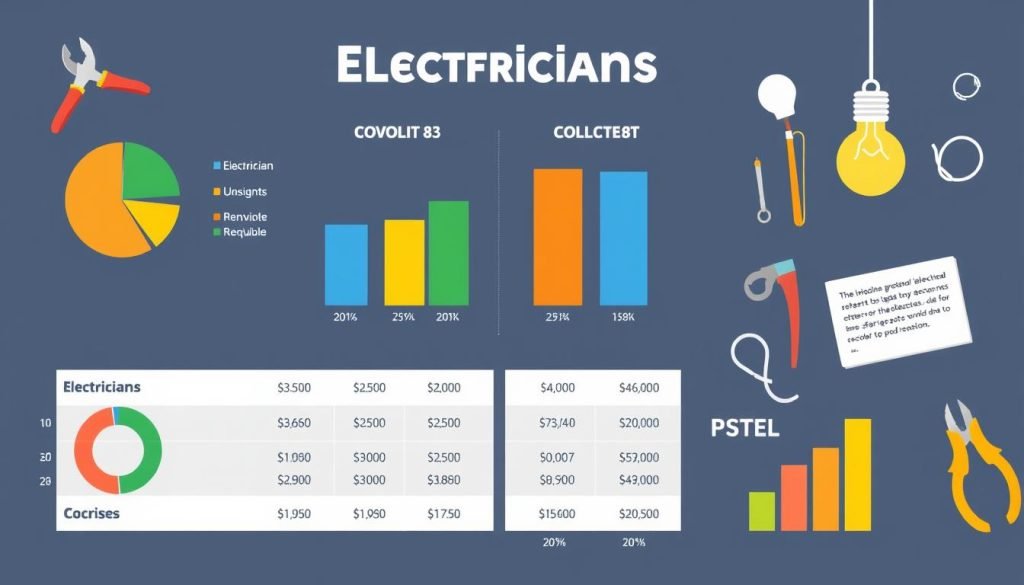
| Electrician | Quote Amount | Service Details | Estimated Completion Time |
|---|---|---|---|
| Flodman Electrical Contractors | $1,500 | Complete rewiring, includes materials and permits | 1 week |
| Local Electrician A | $1,200 | Rewiring only; exclude materials | 2 weeks |
| Local Electrician B | $1,800 | Panel upgrade and rewiring, includes additional warranties | 10 days |
In conclusion, comparing quotes is crucial. It helps you choose the best electrician for your needs. Being careful in your search leads to a great electrical experience.
Ask About Warranties and Guarantees
When choosing an electrician, it’s key to ask about their warranties and guarantees. A good electrician hiring guide will stress the value of these assurances. They ensure quality work and peace of mind.
Types of Warranties Offered
Electricians offer different warranties. These include:
- Workmanship warranties for the quality of the work.
- Material warranties for products that meet standards.
- Satisfaction guarantees for any work issues.
Importance of Satisfaction Guarantees
Homeowners should value satisfaction guarantees. They let you ask for fixes if the work isn’t right. Finch Home Solutions, for example, promises to fix any problems within 24 hours.
Understanding Labour and Parts Warranty
It’s important to understand labour and parts warranties. Voltora Industries, for instance, offers a 12-month warranty on their work. Knowing what’s covered can help you choose a reliable electrician.
Assess Communication Skills
Good communication is key between homeowners and electricians. It’s important for the success of any electrical work. Tips for choosing an electrician often highlight the need for clear talk, quick answers, and professionalism.
Importance of Clear Communication
Clear communication is vital for explaining project details and updates. Research shows projects with skilled communicators have fewer misunderstandings, up to 40%. This trust is crucial for project success.
Responsiveness to Queries
Quickly answering client questions shows professionalism. About 64% of business owners want electricians who can act fast, especially in emergencies. Quick communication helps avoid delays and boosts satisfaction.
Professionalism in Interaction
Professionalism is key in client-electrician interactions. Positive feedback, like on time and good work, helps clients decide. Tips suggest looking at reviews for a contractor’s professionalism, as 87% of clients are influenced by them.
Electricians with good communication, quick responses, and professionalism do better. They complete projects well and build strong client relationships. Improving communication skills is vital for electricians to grow their careers and meet customer needs.
Understanding Safety Procedures
Keeping safe during electrical work is key. A good electrician knows all about electrician safety standards. These rules help them work safely and well. It’s important for their safety and yours.
Knowledge of Electrical Safety Standards
Electricians need to know the latest safety rules. These rules help avoid electrical dangers. They keep workers and areas safe.
They also know how to follow local electrical codes. This lowers the chance of accidents like fires or shocks.
Use of Protective Gear and Equipment
Protective gear is vital for electrical work. A skilled electrician uses the right gear, like gloves and goggles. These items prevent injuries during work.
Make sure your electrician always uses this gear. It’s part of their job to stay safe.
Emergency Procedures and Protocols
A good electrician has emergency plans ready. They know how to act in emergencies, like fires or shocks. They have clear steps for evacuation and handling crises.
This preparation helps them deal with emergencies well. It keeps everyone safe.
Discuss Project Timelines
Creating a clear project timeline is key when you hire an electrician. On-time electrical work boosts job satisfaction and keeps schedules running smoothly. Delays cause trouble, so it’s important to talk openly with your electrician.
Importance of Timely Completion
Finishing electrical projects on time keeps things moving and cuts down on downtime. This is true for home upgrades or business setups. Electricians should give a fair estimate of how long the job will take to help plan better.
Potential Delays and Their Management
Knowing what can slow things down is crucial. Weather, supply chain problems, and unexpected issues can all delay projects. Keeping in touch with your electrician about the project’s progress helps manage these problems.
Understanding Scheduling Conflicts
Electricians often work on many projects at once. Knowing about possible scheduling issues is important. When you talk about your project, ask how they handle their work and how they’ll deal with any problems that come up.
| Considerations | Impact on Timeline |
|---|---|
| Communication Clarity | Reduces delays by up to 30% |
| Regular Maintenance | Prevents up to 80% of issues |
| Understanding Local Codes | Ensures compliance and safety |
| Electrician Availability | Determines project scheduling flexibility |
| Emergency Services | Minimises response time for urgent issues |
Review Contractual Terms
Before starting work, it’s crucial to review the contract terms. Understanding the details of electrician contracts is key for a successful project. It ensures a smooth working relationship and protects both parties’ interests.
Important parts of the contract cover services, payments, and what happens if the project is cancelled. Being clear about these helps avoid disagreements and makes sure everyone knows what’s expected.
Key Elements of a Contract
Electrician contracts need to include several important points. They should clearly state what work needs to be done, when it’s due, and how long it will take. This helps prevent any confusion about the project’s details.
Some key elements are:
- Scope of work
- Materials and equipment to be used
- Health and safety protocols
- Project deadlines
Payment Terms and Conditions
It’s vital to understand how payments will be made. Electrician contracts usually outline when and how much you’ll pay. This can include upfront deposits, payments during the project, and the final payment.
There are different ways to pay, such as:
| Payment Structure | Description |
|---|---|
| Fixed Price | A set fee for all services. |
| Time and Materials | Based on the work done and materials used. |
| Milestone Payments | Payments when certain project goals are reached. |
Cancellation Policies
Cancellation policies in electrician contracts are important. They outline what happens if you need to cancel, like any fees or notice periods. Knowing these terms is crucial.
Some key points to consider are:
- Notice of cancellation requirements
- Potential financial penalties
- Conditions for full or partial refunds
Evaluate Availability and Flexibility
When picking a local electrician, look at their availability and flexibility. Electricians who can visit quickly and adjust to changes are top choices. They help meet your electrical needs fast.
Scheduling Home Visitations
First, check if the electrician can schedule visits well. Quick assessments start your project timeline. This helps you plan ahead.
Adapting to Project Changes
Being flexible with project changes is key. An electrician who handles changes well keeps your project on track. This ensures smooth progress.
Emergency Repair Availability
Having an electrician ready for emergencies is a big plus. For urgent repairs, a local electrician can prevent bigger problems. This saves you from extra stress.
| Factors | Importance | Consequences of Lack of Flexibility |
|---|---|---|
| Scheduling Timeliness | Ensures prompt project initiation | Delays in project timeline |
| Adaptability to Changes | Accommodates client preferences and adjustments | Increased costs or project dissatisfaction |
| Emergency Repair Services | Provides immediate solutions to urgent issues | Potential damage or safety hazards |
Check for Customer Service and Support
When hiring an electrician, checking their customer service and support is key. A good electrician hiring guide will look at things like post-project support and how to contact them. Knowing this ensures you get help even after the job is done.
Post-Project Support Offered
Find out what support is available after the job. Look for warranties and if they offer follow-up visits. Good post-project support builds trust and strong relationships.
Availability of Contact Channels
Good communication is essential. Make sure the electrician has easy ways to get in touch, like phone, email, and social media. This makes it simple to get help when you need it.
Procedures for Addressing Complaints
A clear plan for dealing with complaints shows the electrician cares about quality. Ask how they handle issues and how fast they respond. This shows they value your satisfaction and are committed to doing a good job.
| Service Aspect | Description | Importance |
|---|---|---|
| Post-Project Support | Support after work completion, including warranty services. | Ensures long-term satisfaction and trust. |
| Contact Channels | Multiple ways to reach the electrician post-service. | Facilitates easy communication and issue resolution. |
| Complaint Procedures | Clear steps for addressing any post-service issues. | Enhances transparency and customer confidence. |
Understanding Local Regulations
Choosing a skilled electrician means knowing local rules and electrical codes. Each state in Australia has its own rules to ensure safety and quality. Knowing these rules helps find reliable electricians.
Compliance with Local Electrical Codes
Electricians need the right licenses for their area. For example:
- In New South Wales, Fair Trading NSW checks for safety standards.
- In Victoria, Energy Safe Victoria issues licenses under the Electricity Safety Act 1998.
- Queensland electricians get licenses from the Queensland Electrical Safety Office, following the Electrical Safety Act 2002.
- In Western Australia, the Electrical Licensing Board of WA issues licenses under the Electrical Licensing Regulations.
- South Australia’s electricians are licensed by Electrical Safety SA, following the Electrical and Gas Industries Act 2000.
- Tasmania requires WorkSafe Tasmania licenses under the Electrical Safety Act 1918.
- The Australian Capital Territory licenses electricians through Access Canberra, under the Electricity Act 1998.
- In the Northern Territory, the Department of Industry, Tourism and Trade issues licenses, following the Electrical Code of Practice.
Importance of Permits and Inspections
Getting permits and inspections is key to safety and legal standards. Local electricians often help with permits, making it easier for homeowners. Inspections confirm installations meet codes and standards, especially for complex systems.
State-Specific Electrical Standards
Each state has its own electrical standards. These include following AS/NZS 3000 for electrical projects. Being part of professional associations, like the Electrical Industries Association of Victoria, shows reliability. Electricians must keep up with local codes and safety through training.
Assess Tools and Equipment Used
The tools and equipment electricians use are key to safe and effective work. Checking if they have modern, high-quality tools shows their professionalism and safety focus. Knowing what tools they have helps understand their ability to tackle various projects.
Modern versus Traditional Tools
Choosing between modern and traditional tools affects the quality of electrical work. Modern tools like digital multimeters and circuit analyzers help with precise measurements and fault finding. Electric screwdrivers are popular for their ease of use, while traditional tools like tape measures and wire cutters are still essential.
Importance of High-Quality Equipment
Using top-notch tools improves performance and extends tool life. For example, quality wire strippers, priced between $10 and $40, efficiently cut and strip wires. Electrical testers, costing between $30 and $80, are vital for safety during electrical work. Reliable tools reduce the risk of accidents, with 67% of electrical mishaps caused by tool misuse.
Safety Features and Technology
Safety is paramount in electrician services. Electricians must use insulated tools to avoid electrical shocks. They also need proper safety gear, like insulated gloves, for high-voltage tasks. Using advanced equipment with fall arrest technology and fire-resistant wear boosts safety. A well-equipped electrician protects themselves and their clients.
| Tool Type | Typical Price Range | Purpose |
|---|---|---|
| Digital Multimeter | $20 – $40 | Measure voltage, current, and resistance |
| Voltage Tester | $20 – $40 | Ensure no current is flowing |
| High-Quality Wire Stripper | $10 – $40 | Cut and strip insulation from wires |
| Electric Screwdriver | $30 – $200 | Fastening hardware with convenience |
| Circuit Analyzer | Varies | Expedite fault finding and diagnostics |
Gather Client Testimonials and References
Collecting testimonials and references from past clients is a great way to check an electrician’s reliability and skills. These insights help a lot in finding the right electrician for your needs.
Value of Authentic Feedback
Genuine feedback is very important when choosing an electrician. Real reviews show the electrician’s work ethic and service quality. About 90% of clients say testimonials and references were key in their hiring choices.
Requesting Direct References
It’s wise to ask for direct references from an electrician before deciding. Good electrical contractors usually give three to four references. This lets you see their past work. Around 60% of clients look at past customer experiences when making a choice.
Importance of Established Reputation
A strong reputation in the industry shows reliability. When looking for the best electrician, check the number of positive reviews and their overall rating. About 63% of clients check online reviews before hiring, showing the value of a good online presence.
Also, electricians with over five years of experience are safer choices. Nearly 60% of homeowners prefer them for better results in electrical projects.

Make Your Final Decision
When choosing an electrician, consider all important factors. Look at qualifications, experience, customer reviews, and quotes. Electrical work is a big investment, so making the right choice is key to avoiding problems and ensuring safety.
Weighing Factors Against Each Other
Your decision should consider technical skills, cost, and how well you get along with the electrician. About 60% of business owners trust recommendations. Having a good relationship with your contractor is crucial, as 90% of successful projects start with clear plans.
Trust Your Instincts
Listening to your gut can help. If something doesn’t feel right, think again. Choosing confidently means you’ll feel secure about the work done in your space. Remember, all licensed electricians know local codes, which is vital for safety.
Importance of Comfort with Your Choice
The electrician you pick should meet your expectations in skills, communication, and project management. Good relationships with contractors make projects run smoothly. Focus on their responsiveness, professionalism, and support to be happy with your choice. Your electrician’s choice affects both now and the future of your project.