Have you ever thought about how safe your home is from electrical dangers? Electricity is a big part of our daily lives, but many people don’t think about electrical safety until it’s too late. In NSW, 40% of house fires are caused by electrical faults and appliances.
This article will show you how to keep your home safe. We’ll talk about ways to avoid serious injuries, fires, and even death.
Key Takeaways
- Awareness of electricity hazards can save lives.
- Regular inspections can prevent catastrophic electrical failures.
- Always hire licensed electricians for electrical work.
- Use extension cords within their capacity to avoid overheating risks.
- Install RCDs to safeguard against electric shocks.
- Educate your family about electrical safety standards.
- Regularly test smoke alarms and carbon monoxide detectors.
Understand the Basics of Electrical Safety
Knowing the basics of electrical safety is key for homeowners to keep their homes safe. It’s vital to understand the risks of electrical issues in homes. By knowing about electrical safety, homeowners can avoid accidents and keep their families safe.
Importance of Electrical Safety for Homeowners
Electrical safety is more than just avoiding accidents. It’s about keeping everyone in the home safe. In the U.S., about 51,000 home electrical fires happen each year, causing around 500 deaths. These fires are often preventable with regular checks and knowledge of electrical dangers.
Using Ground Fault Circuit Interrupters (GFCIs) can cut the risk of fatal electric shock by half. Yet, about 30% of homeowners don’t know how to turn off their electricity in an emergency. This can make things worse.
Common Electrical Hazards in Homes
Knowing about common electrical dangers is crucial to avoid accidents at home. Faulty wiring, overloaded circuits, and old appliances are major risks. Older homes, built before 1950, face a five times higher risk of electrical fires due to outdated systems.
Studies show that over 25% of homeowners use extension cords as permanent solutions. This can lead to overheating and fires. Also, frayed or damaged cords are a common cause of electrical fires. So, staying alert to electrical safety is very important.
| Electrical Hazard | Statistics | Preventive Measures |
|---|---|---|
| Faulty Wiring | Accounts for 30% of home electrical fires | Regular inspections and upgrades |
| Overloaded Circuits | Responsible for 20% of electrical fires | Avoid using multiple devices on a single outlet |
| Outdated Appliances | Homes built pre-1950 are 5 times more likely to have a fire | Update appliances and systems |
| Extension Cords | 25% of homeowners use them permanently | Limit usage and prefer built-in outlets |
Regularly Inspect Electrical Systems
Homeowners must keep their electrical systems safe and working well. Checking electrical systems often is key to home safety. Spotting wear and tear early can stop big accidents and expensive fixes.
Signs of Wear and Tear
Being alert to signs of wear can make homes safer. Look out for:
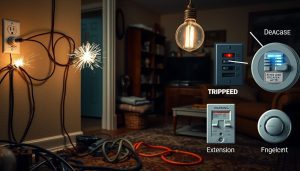
- Frequent circuit breaker trips, which may signal an overloaded circuit.
- Discoloured outlets, which indicate overheating or potential electrical faults.
- Flickering lights that could suggest wiring issues.
- Unusual burning smells, potentially pointing to damaged insulation or wiring.
These signs might seem small at first. But ignoring them can cause big electrical problems, making homes more dangerous.
Importance of Routine Inspections
Regular checks are crucial for electrical system upkeep. They help avoid electrical fires and failures. About 40% of homes never get their electrical systems checked.
Getting regular maintenance, every three to five years, can greatly reduce risks. Inspections can find up to 70% of electrical code violations before they become serious.
By doing regular inspections, homeowners can:
- Lower the risk of electrical fires by up to 30%.
- Find and fix faulty outlets, which cause 47% of home electrical fires.
- Make electrical systems and appliances last longer.
Hire Qualified Electricians for Work
Keeping your home safe from electrical dangers is crucial. You need skilled professionals for any electrical work. Hiring licensed electricians is key to avoiding risks.
How to Find Licensed Electricians
Start by asking friends, family, or neighbours for recommendations. Online reviews can also give you insights into local electricians. Make sure they are qualified and licensed.
You can also check with local trade associations or websites about electrical services. Getting at least three quotes helps you compare prices and services.
Questions to Ask Before Hiring
When hiring electricians, ask the right questions. This ensures you’re making a good choice. Here are some important questions:
- What is your experience with tasks similar to mine?
- Do you comply with all current safety regulations?
- Can you provide a Certificate of Compliance Electrical Work upon completion?
- How do you handle potential electrical emergencies?
- What warranties or guarantees do you offer for your work?
These questions help you check their qualifications. It’s important to hire licensed electricians for your safety.
Use the Right Extension Cords
Extension cords are a common solution for many homeowners. But, using them wrong can lead to safety issues. It’s important to choose the right cord gauge to avoid overloading.
Selecting the Appropriate Cord Gauge
When picking a cord gauge, think about your appliances’ wattage needs. For example, a 16 AWG cord is good for up to 1,375 watts. Using the wrong cord can cause overheating and fires. Matching the cord gauge to your needs makes your home safer.
| Cord Gauge | Load Capacity (Watts) | Best Use |
|---|---|---|
| 16 AWG | Up to 1,375 | Light-duty appliances (lamps, phones) |
| 14 AWG | Up to 1,875 | Medium-duty appliances (power tools) |
| 12 AWG | Up to 2,400 | Heavy-duty appliances (air conditioners, refrigerators) |
Risks of Overloading Extension Cords
Overloading extension cords is a big risk. Many people use one cord for many devices. This can lead to overheating and fires.
Joining cords can also cause voltage drops. This might affect safety switches and circuit breakers. It’s important to watch how you use extension cords.
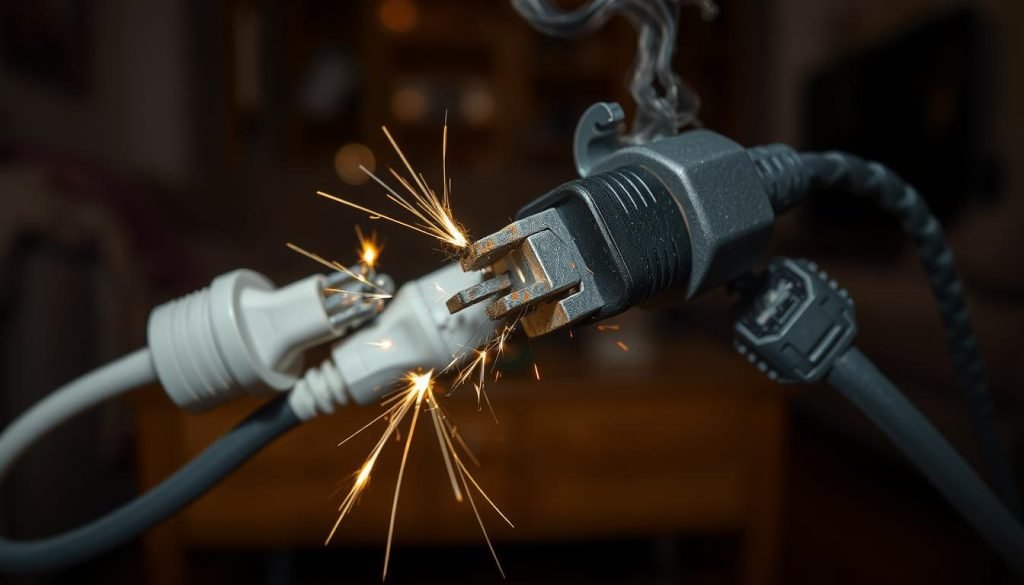
Experts say to get more outlets to avoid relying on extension cords. Using them a lot means you might not have enough power. This is a safety risk, as electrical problems are a common cause of fires. Keeping your home safe and your appliances working is key.
Install Residual Current Devices (RCDs)
Residual Current Devices (RCDs) are key to keeping homes safe from electrical dangers. They help prevent electric shocks and fires. These devices watch the current flow and cut off power fast if there’s an imbalance.
This quick action can save lives, especially for kids and the elderly. It’s a crucial step in home safety.
Importance of RCDs for Protection
In Australia, RCDs are a must in all new homes. They cut down electrical shock risks by about 70%. They also stop electrical fires from short circuits or overloads.
It’s wise to have RCDs in risky spots like kitchens and bathrooms. This makes homes safer for everyone.
How RCDs Work
RCDs keep an eye on the current in a circuit. If there’s an imbalance, like current leaking to the ground, they act fast. They cut off power in milliseconds.
Testing RCDs every three months is a good idea. Press the test button to see if it works. If it doesn’t, get it checked by a pro. Annual checks by electricians keep RCDs working well.
| Type of RCD | Response Time | Leakage Current Detection | Ideal Usage |
|---|---|---|---|
| Standard RCD | Varies (often >40ms) | 30mA | Residential Electrical Systems |
| Fast-acting RCD | Within 40ms | 30mA | Wet Areas (bathrooms, kitchens) |
| Time-delay RCD | Accommodates brief surges | 30mA | Construction and Industrial Sites |
Understand Circuit Breakers and Fuses
Circuit breakers and fuses are key in any electrical system. They keep your home safe from too much current flow, which could cause fires. Knowing about different circuit breakers and when to replace fuses can make your home safer and more efficient.
Types of Circuit Breakers
There are many types of circuit breakers, each for different uses:
- B Curve: Trips at 3 to 5 times the rated current, good for lighting circuits and resistive loads.
- C Curve: Trips at 5 to 10 times the rated current, best for inductive loads like appliances and motors.
- D Curve: Trips at 10 to 20 times the rated current, made for very inductive loads like transformers.
Switching to modern circuit breakers, like Clipsal by Schneider Electric’s MAX9 range, speeds up installation. These modern options make setting up Residual Current Device Overcurrent (RCBOs) more efficient. RCBOs protect against overcurrents and residual current faults.
When to Replace Fuses or Breakers
Homeowners should replace fuses or circuit breakers if they trip often. This could mean there’s an overload or electrical problem that needs a pro to check. Older homes might need to switch to modern circuit breaker panels for better safety and capacity.
It’s important to know circuit breakers guard individual circuits and where the main breaker is. Regular checks by licensed electricians help keep homes safe. If lights flicker or dim, it’s a sign of a bigger electrical problem that needs a pro’s look.
Keep Electrical Appliances in Good Condition
It’s important to keep electrical appliances in good shape for safety and efficiency. Homeowners should watch out for signs that an appliance needs fixing. Ignoring these signs can increase safety risks and dangers at home.
Signs Your Appliance Needs Repair
Here are some key signs that an electrical appliance might need attention:
- Unusual noises: Grinding, buzzing, or clicking sounds mean there’s a problem inside.
- Overheating: If an appliance is too hot, it could have serious issues.
- Frequent outages: Appliances that often stop working or trip circuit breakers need a check-up.
- Frayed cords: Damaged power cords are a big fire risk.
- Burning smell: Any smell of burning from an electrical item should be checked right away.
Importance of Manufacturer Guidelines
Following the manufacturer’s guidelines is key for keeping appliances safe and working well. These guidelines give important info on:
- How to use appliances correctly and what loads they can handle.
- When to do maintenance to keep appliances running at their best.
- How to install appliances safely to avoid electrical dangers.
- What settings to use, like wattage for bulbs and temperature for water heaters.
Sticking to these guidelines can greatly improve safety and performance. It helps avoid problems before they start.
Maintain Safe Surroundings
Keeping your home safe from electrical dangers is key. It’s important to make sure areas are dry and not cluttered with power cords. These steps help prevent electrical accidents and make your home safer.
Importance of Keeping Areas Dry
It’s crucial to avoid electrical shocks by keeping areas dry. Water and electricity are a dangerous mix. About 20% of electrical injuries happen because of water.
So, it’s vital to keep all areas, especially where outlets and devices are, dry. This rule is important for everyone, making sure we all stay safe.
Organising Cords and Power Strips
Organising your cords is essential for safety. Messy cords can cause tripping and accidents. Keeping them tidy also helps prevent overheating and fires from overloaded connections.
By regularly checking and arranging your cords, you make your home safer and more attractive.
Avoid DIY Electrical Projects
DIY electrical work might seem like a good way to save money. But, the risks are huge. Many accidents happen because people don’t know how to handle electrical systems. This can lead to fires and electrocution.
Statistics show that electrical problems cause a lot of fires at home. This shows how dangerous DIY electrical work can be without the right help.
Dangers of Improper Repairs
DIY electrical work can be very dangerous. Bad repairs can cause:
- Electrical fires: About 360,900 fires in U.S. homes each year are due to electrical issues.
- Electrocutions: Around 400 people get electrocuted each year, often because of bad wiring.
- Voided insurance policies: If you do DIY work, you might lose insurance if something goes wrong.
When to Call a Professional
Knowing when to ask for help is key to staying safe. Most electrical problems need a licensed electrician’s skills. You should call a pro if:
- Your circuit breaker keeps tripping.
- There have been new electrical codes you need to follow.
- You find old two-slot outlets that aren’t safe.
Using a qualified electrician is safer. They know how to handle complex electrical systems. This helps avoid serious problems that could harm your home and family.
| Risk Factor | Statistics |
|---|---|
| Residential Fires | 360,900 reported annually in U.S. |
| Electrocutions | Approximately 400 per year in U.S. |
| Electrical Fire Causes | 89% linked to electrical failures (2003-2005) |
| Voided Insurance | Common issue after DIY electrical work |
Educate Family Members About Electrical Safety
Teaching family members about electrical safety is key to keeping everyone safe. It’s especially important for kids. By learning about electrical dangers, they can stay away from harm.
Teaching Children About Electrical Hazards
Parents are vital in teaching electrical safety. Start with basic lessons on dangers like touching wet appliances and not pulling on cords. Knowing what not to use in outlets is also crucial. This knowledge can cut down accident risks by 40%.
Make talking about electrical safety a regular part of family life. This helps keep the lessons fresh in everyone’s mind.
Creating an Emergency Response Plan
Every family needs a plan for emergencies like electrical fires or shocks. It’s important to know what to do quickly and safely. This plan should include calling emergency services and finding safe places.
Practice this plan often. It builds confidence and gets everyone ready for emergencies.
Know the Emergency Procedures
It’s key to know emergency procedures to stay safe during electrical issues. In Australia, many electrical accidents happen at home. Being ready can help avoid risks and handle emergencies well.
What to Do During an Electrical Emergency
Here are the main steps for an electrical emergency:
- Turn off the main power to stop more dangers.
- Call emergency services if it’s serious or risky.
- Leave the area if there’s fire or smoke.
- Have emergency numbers ready for quick calls.
How to Report Electrical Hazards
It’s crucial to report electrical hazards to keep everyone safe. Here’s how:
- Write down the hazard’s details and where it is.
- Get a licensed expert to check it fast.
- Tell local authorities if it’s a big risk.
| Emergency Action | Recommended Steps |
|---|---|
| Power Outage | Turn off all electrical appliances and disconnect from outlets. |
| Electrical Fire | Use a fire extinguisher rated for electrical fires. |
| Shock or Electrocution | Avoid touching the victim; call emergency services immediately. |
| Exposed Wiring | Mark the area, keep children and pets away, and contact an electrician. |
Practicing these steps can make you safer in electrical emergencies. Also, check your home’s electrical systems often to keep it safe.
Stay Updated on Electrical Safety Regulations
Knowing about electrical safety rules is key for homeowners. Following AS/NZS standards makes sure electrical work is safe. Keeping up with these rules helps keep your home safe.
Understanding AS/NZS Electrical Standards
AS/NZS standards, like the AS/NZS 3000:2018 (Wiring Rules), set safety rules for electrical work. Only licensed electricians can do this work to follow the Electricity Safety Act 1998. This rule helps avoid dangerous electrical issues.
New homes in Victoria must have safety switches for power and lights. Knowing these standards is crucial for safety and following the law.
Importance of Compliance
Following electrical safety rules is very important for homeowners. Not following these rules can lead to serious problems like fires or even death. Using weatherproof outlets and checking safety switches regularly helps keep your home safe.
Also, testing safety switches every three months and replacing smoke alarms on time is required. These actions help meet local safety rules.
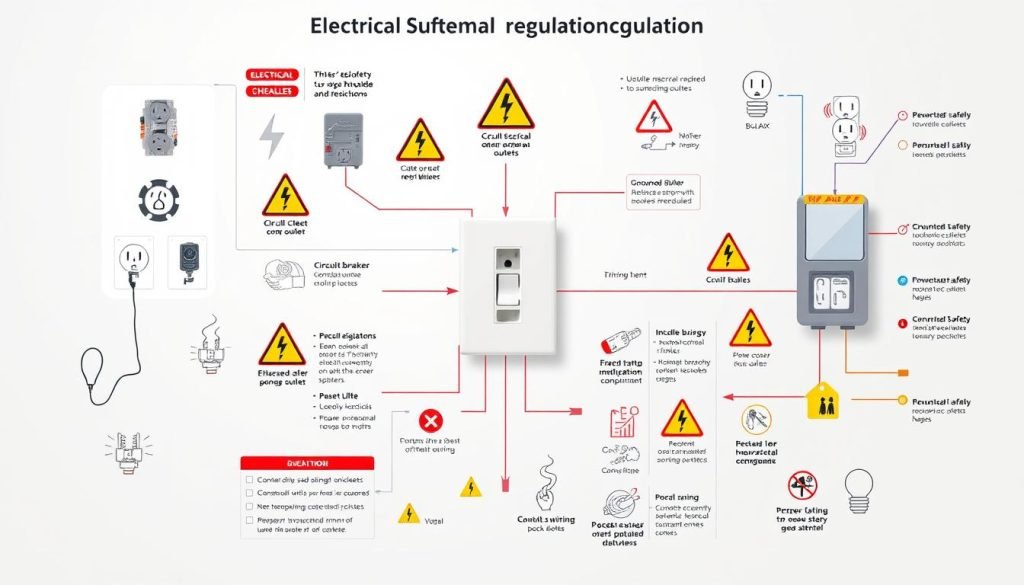
| Regulation | Requirement | Frequency |
|---|---|---|
| Electricity Safety Act 1998 | Licensed electricians must perform all electrical work | N/A |
| AS/NZS 3000:2018 | Adhere to wiring rules for installations | N/A |
| Safety Switches | Required in new homes for lighting and power | Every 3 months for testing |
| Smoke Alarms | Install in bedrooms and hallways | Monthly testing; yearly battery change; 10 years full replacement |
| Power Boards | Use with built-in surge protection to prevent overload | As needed |
| Outdoor Electrical Safety | Weatherproof outlets and regular inspections | As needed |
Use Energy-Efficient Solutions
Using energy-efficient solutions helps the environment and makes homes safer. Modern appliances have safety features that lower the risk of electrical problems. They use less power, which means less chance of overheating and fires.
Benefits of Energy-Efficient Appliances
Energy-efficient appliances offer more than just safety. For example, switching to LED lights can save a lot of energy. LED lights use much less power and last longer than old bulbs.
Also, getting a new fridge can cut energy use by half. This can really lower your electricity bills.
- Lower energy bills
- Built-in safety features
- Reduced environmental impact
- Extended appliance lifespan
Impact on Safety and Costs
Switching to energy-efficient appliances can save you money. Homes using less energy pay less for electricity. Installing GFCIs in wet areas also boosts safety. These devices stop power if they find a problem, preventing shocks.
Modern electrical systems are safer too. They can handle more power without breaking down. This means your appliances are safer and you won’t have to fix or replace them as often.
It’s important to check your electrical system regularly. A pro should look at it every 3-5 years. This keeps everything working well and safely.
| Appliance Type | Traditional Energy Use | Energy-Efficient Use | Estimated Savings |
|---|---|---|---|
| Fridge | ~800 kWh/year | ~400 kWh/year | Up to 50% |
| Incandescent Bulb | 60 W | 10 W (LED) | Up to 90% |
| Old Wiring | Variable (risk of overloads) | Modern, compliant wiring | Increased safety, lower risk of fires |
Create a Household Electrical Safety Checklist
Creating a household electrical safety checklist is key to keeping your home safe. It helps prevent dangers from old or broken electrical systems. Make sure to check Residual Current Devices (RCDs), cords, and outlets often. Also, keep an eye on your appliances to make sure they’re working right.
Key Items to Include
When making your checklist, remember to test GFCI outlets twice a year. Look for frayed cords or broken appliances. Also, make sure smoke detectors are on every level of your home. It’s vital to avoid overloaded outlets, as they can cause fires.
Regular checks of these items will keep your family and home safe from electrical dangers.
Regular Review and Updates
It’s important to regularly review and update your checklist. This keeps your safety standards up to date. It also helps with changes in your home or new electrical needs from modern appliances.
A checklist that changes with your needs helps you stay safe. It protects your loved ones from electrical hazards.